




The European Commission's Joint Research Centre (JRC) has published a technical report proposing unified EU end-of-waste criteria for textile reuse and remanufacturing. The event date is not specified in the supplied information. The proposal deserves attention across the textile supply chain because a common framework could affect how recovered materials are processed, purchased and assessed for compliance.
A common framework proposed for recovered textiles
The JRC report proposes EU-wide end-of-waste criteria for textile reuse and remanufacturing. It aims to establish technical standards and a compliance framework for textile recycling and the circular economy, addressing differences in standards among member states.
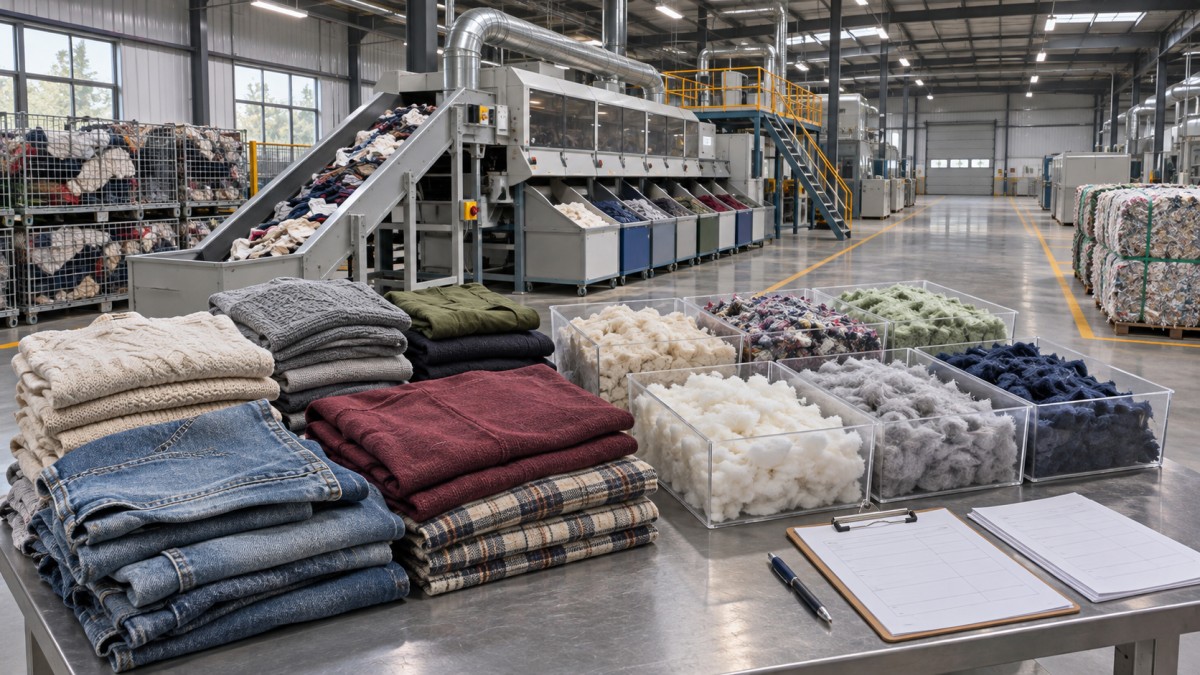
Where the proposal could affect textile supply chains
Recovery and processing operations
Analysis suggests that textile recovery and processing businesses could face changes in how they demonstrate that recovered material meets future end-of-waste criteria. Sorting, processing and technical documentation may warrant particular attention, although the supplied information does not specify the proposed tests or evidence requirements.
Manufacturers and equipment suppliers
Manufacturers using recovered textiles may need to assess whether material specifications and production processes align with any criteria that are eventually adopted. From an industry perspective, suppliers of recycling technology and equipment could also see changing customer requirements related to material processing and pollution prevention. The report does not establish a confirmed equipment standard in the supplied information.
Buyers and cross-border suppliers
For buyers and suppliers operating across markets, analysis suggests that a unified approach could eventually affect material acceptance, purchasing specifications and documentation. Companies involved in cross-border supply may therefore wish to watch how any future rules interact with existing differences among member states. The supplied information does not confirm a change to current trade procedures.
Practical checks while details develop
Review material specifications and records
Businesses could map where recovered textiles enter their supply chains and review the specifications and technical records available for those materials. This would help identify information gaps to assess against any future criteria, without assuming that particular documents are already mandatory.
Follow the status of the proposal
Compliance teams should monitor subsequent official communications for clarification of the report's status, the materials and processes covered, and any implementation arrangements. The supplied information does not establish that the proposed criteria have been adopted or are in force.
Assess equipment and purchasing decisions
Before committing to changes in recycling equipment or supplier specifications, manufacturers and buyers could evaluate how proposed criteria might affect processing capability, pollution controls and material acceptance. Any investment or procurement decision would still depend on the applicable rules and verified technical details.
Check assurance and delivery expectations
Suppliers and purchasers may wish to discuss what evidence customers could request for recovered textiles and whether future clarification could affect delivery arrangements. Any certification, testing or documentation requirements should be verified when authoritative details become available; none are specified in the supplied information.
A technical proposal, not a confirmed implementation
At this stage, it is more appropriate to view the report as a signal of work toward harmonized rules than as confirmation of an implemented EU-wide obligation. How far the proposal translates into operational requirements will depend on subsequent decisions and details not supplied here. Industry feedback, future official wording and any clarification of testing or assurance arrangements may influence how businesses assess its implications.
Preparing for a clearer textile recovery framework
The report places consistent criteria for textile reuse and remanufacturing on the industry agenda. Its potential relevance extends from recovery technology to purchasing and manufacturing, including efforts to reduce pollution and make production more responsive. For now, a proportionate response is to review exposure and follow developments, while treating specific compliance and market effects as matters for further verification.
Basis for this report and further verification
This article is based on the user-provided news title, event time and summary. No specific official source link was provided in the input, so the report and its status require continued verification. Subsequent official publications and relevant standards documents may help clarify policy details, assurance or certification approaches, trade implementation and industry feedback.
- Textile IoT Capital & EconomicsVDMA Opens ITMA 2027 Technical Delegation Pre-RegistrationVDMA opens ITMA 2027 technical delegation pre-registration. Explore German textile machinery, digital innovation and sustainability. Register interest by December 11, 2026.
- Fast Fashion & Agile MfgTextile OEM Compliance Evaluation: What to Check in a Supplier AuditTextile OEM compliance evaluation made practical: discover key supplier audit checks for quality, machinery, chemicals, traceability, and environmental risks.
- Textile IoT Capital & EconomicsTariffs and Inflation Weigh on Demand as U.S. Apparel Imports Fall to $56.68 BillionU.S. apparel imports fell 6.14% to $56.68 billion as tariffs and inflation weighed on demand. Explore what this could mean for buyers and exporters.
Related News
Get weekly intelligence in your inbox.
No noise. No sponsored content. Pure intelligence.
